Spoon Theory Explained (and Why "Just Rest" Doesn't Work)
Nov 10, 2026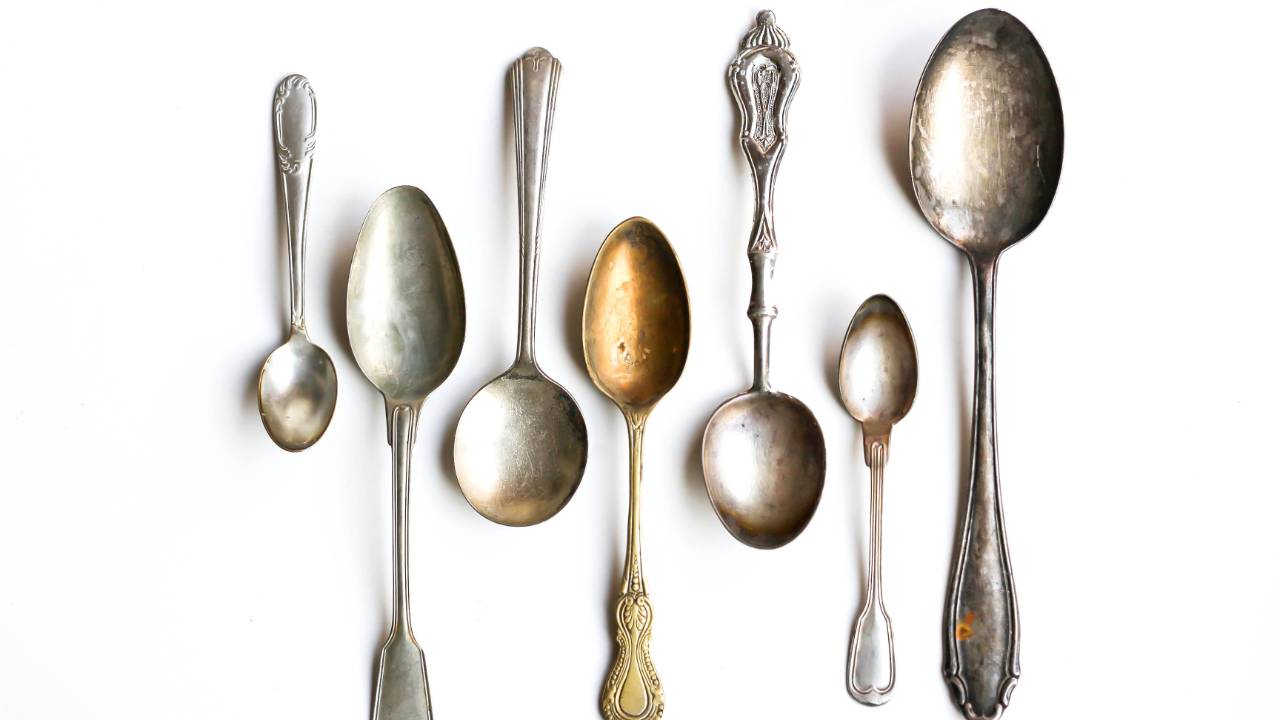
Why "just rest" doesn't fix it, and how one simple picture can finally help people get it.
Imagine waking up with twelve spoons. Not a drawer full. Twelve.
Getting out of bed costs one. Showering costs another. Washing your hair? That's a separate spoon, thank you very much. Making breakfast, getting dressed, answering three emails, a phone call that turns out to be stressful. By lunchtime, you're down to four spoons and the day has barely started.
That's spoon theory. And if you live with an invisible chronic illness, you probably don't need it explained. You need a way to explain it to everyone else.
Where spoon theory comes from
Spoon theory was created by Christine Miserandino, who lives with lupus. In 2003 she was sitting in a diner with a friend who asked what it really felt like to be sick. She grabbed every spoon she could find on the nearby tables and handed them over: each one was a unit of energy, and every task would cost some.
It stuck because it works. Today people with chronic illness around the world call themselves "spoonies", and "I'm out of spoons" has become a quick way of saying "I have nothing left, and it's not a mood".
How spoon theory works
The idea is simple:
- You start each day with a limited number of spoons. Healthy people have so many they never count them. You do.
- Every activity costs spoons. Including the ones other people don't even think of as activities: standing in a queue, a noisy restaurant, concentrating in a meeting.
- When the spoons are gone, they're gone. You can't just try harder.
- Borrowing from tomorrow has a price. Use extra spoons today and you start tomorrow with fewer.
- The number changes. A bad night, a flare, stress or a virus can mean you wake up with six instead of twelve.
Why it explains invisible illness so well
The hardest part of an invisible illness is that nobody sees the cost. They see you at the birthday party. They don't see that you spent three days saving spoons for it, and that you'll need two more days to recover.
Spoon theory makes that invisible budget visible. It turns "I'm tired" (which everyone feels) into "I have a limited amount of something, and I'm choosing how to spend it". That's a very different conversation.
It also explains why you might cancel plans you were excited about. It's not that you don't want to come. It's that you ran out of spoons on Thursday.
Spoons, batteries or budgets: pick what works
Spoons aren't the only picture. Some people prefer:
- A phone battery that drains faster than everyone else's and charges slower. Some NHS fatigue services use this one too.
- A daily budget where every task has a price, and overspending leads to debt the next day.
- A glass of water that's only half full when you wake up.
Use whichever one makes sense to you, and to the person you're talking to. Your teenager might get the battery. Your mum might get the budget.
How to use spoon theory in daily life
Spoon theory isn't only for explaining. It can help you plan, too.
- Learn your prices. For a week, notice which tasks cost the most. You might be surprised: for many people, social plans and admin cost more than physical tasks.
- Keep a spoon in reserve. Don't plan to use every spoon. Something unexpected always comes up.
- Spread the expensive stuff. A doctor's appointment and a family dinner on the same day? That's a lot of spoons. Space them out where you can.
- Swap, don't skip. Sit down to cook. Order the groceries. Shower at night. Small swaps save spoons.
This is the basis of pacing, an energy management approach that NHS fatigue services teach. Read the full how-to in Pacing: How to Plan Your Day When Your Energy Is Unpredictable.
How to explain spoon theory to someone else
Keep it short. Try:
"Imagine you get twelve spoons a day, and everything costs one or more, even showering. When they're gone, I can't make more. So when I cancel, it's not that I don't want to come. I just ran out."
Then tell them one thing that would actually save you a spoon. "Can we meet near my place?" "Can you call instead of a video call?" Specific beats general every time.
For more ready-to-use lines, read "But You Don't Look Sick": What to Say When People Doubt You.
Track your spoons with PLAN-ISH
Counting spoons in your head is tiring (and costs a spoon). PLAN-ISH helps you plan your day, track your energy and symptoms, and spot patterns over time. It even turns your notes into a PDF for your doctor. Try PLAN-ISH.
New here? Start with The Complete Guide to Living with an Invisible Chronic Illness.
This post shares lived experience and general information. It is not medical advice. Always talk to your doctor about your own situation.